Are room number signs required to have Braille?
Quick Answer
Yes. All permanent room identification signs, including room numbers, must have tactile characters and Grade 2 Braille per ADA 703. This applies to offices, conference rooms, and any space with a permanent designation.
Content Verification
Sources:
Code Reference
ADA 703.1
ADA 2010 Standards Section 703.1
Detailed Explanation
Room number signs fall under permanent room identification requirements:
1. **All Permanent Rooms**: Any room with a permanent number or name needs a compliant sign.
2. **Includes**: - Office numbers (101, 102, etc.) - Conference room names - Suite designations - Utility rooms (Electrical, Mechanical, etc.)
3. **Requirements**: - Tactile (raised) numerals 5/8" to 2" high - Grade 2 Braille below numerals - 48-60" AFF mounting on latch side - 70% minimum contrast
4. **Exceptions**: Temporary rooms, movable partitions, and decorative/informational signage.
Common Mistakes
- ×Using non-tactile room number plates
- ×Omitting Braille from numerical signs
- ×Mounting at incorrect height
- ×Assuming numbers-only signs are exempt
How to Verify Compliance
- ✓Check all permanently numbered rooms
- ✓Verify tactile numbers with Braille below
- ✓Confirm 48-60" AFF mounting height
- ✓Check location on latch side of door
Official Code Text
"Signs shall include visual characters, raised characters, and braille."
How to Cite This Page
When referencing this information:
SpecCodes.com "Are room number signs required to have Braille?" - Verified 2026-01-30Compliant Products
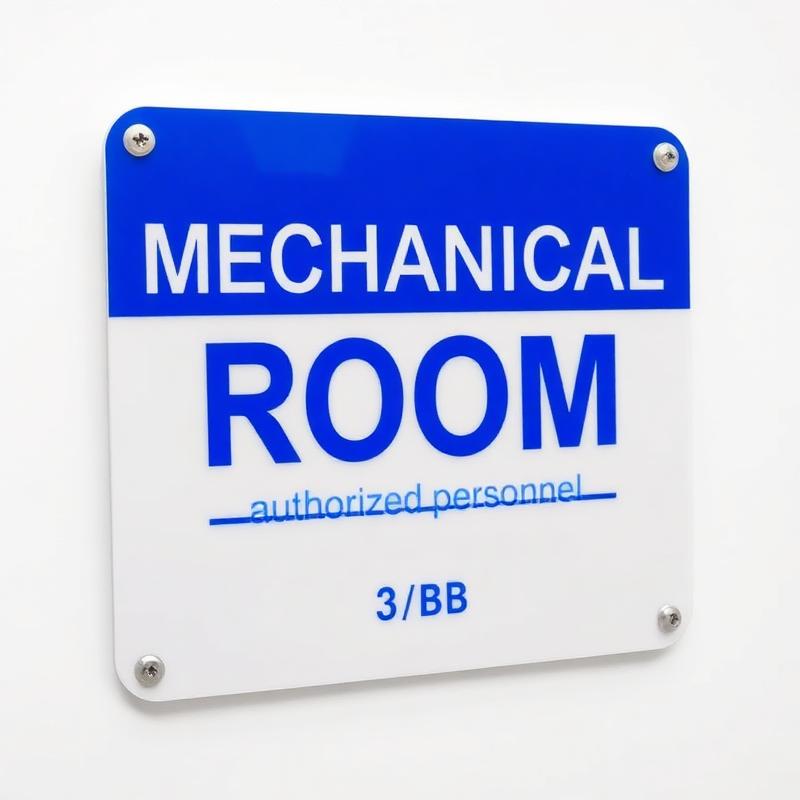
To meet these requirements, compliant signage typically includes:
Related Questions
Expert Verification
Compliance Information Verified
2026-01-30
CBC 2025 / ADA 2010
Effective January 1, 2026
California Building Standards Commission
Compliance Verification Notice
This information is provided for general reference purposes only. Local inspectors and authorities having jurisdiction (AHJ) have final authority over code interpretation and enforcement.
Before ordering signage, SpecCodes recommends:
- Contacting your local Building Department
- Reviewing current permit requirements for your project
- Confirming any local code amendments that may apply
Legal Notice: This content does not constitute legal advice. SpecCodes provides compliance information as a reference resource only. Users are responsible for verifying all requirements with their local jurisdiction before installation.