What mounting methods are acceptable for ADA signs?
Quick Answer
Common ADA sign mounting methods include VHB (Very High Bond) double-sided tape, mechanical screws with decorative caps, silicone adhesive, and standoffs. All methods are acceptable as long as the sign is securely mounted at the proper height.
Content Verification
Sources:
Code Reference
Best Practice
ADA 2010 (method not specified)
Detailed Explanation
Mounting method selection depends on wall material and aesthetics:
1. **VHB Tape**: Most common method for smooth surfaces; provides permanent, clean installation.
2. **Mechanical Screws**: Best for rough or uneven surfaces; often covered with decorative caps.
3. **Silicone Adhesive**: Used in combination with tape for extra security or on textured walls.
4. **Standoffs/Spacers**: Creates shadow effect and allows for ADA-compliant mounting on glass or recessed applications.
5. **Key Considerations**: - Wall material (drywall, concrete, tile, glass) - Weight of sign - Ability to adjust position - Aesthetic requirements
6. **California Seismic**: Signs over 20 lbs may require seismic bracing per CBC Chapter 17.
Common Mistakes
- ×Using insufficient adhesive for wall type
- ×Not allowing cure time for adhesives
- ×Improper surface preparation
- ×Not accounting for seismic requirements
How to Verify Compliance
- ✓Check wall material compatibility
- ✓Verify sign is securely attached
- ✓Confirm proper mounting height maintained
- ✓Check for seismic bracing if required
Official Code Text
"N/A"
How to Cite This Page
When referencing this information:
SpecCodes.com "What mounting methods are acceptable for ADA signs?" - Verified 2026-01-30Compliant Products
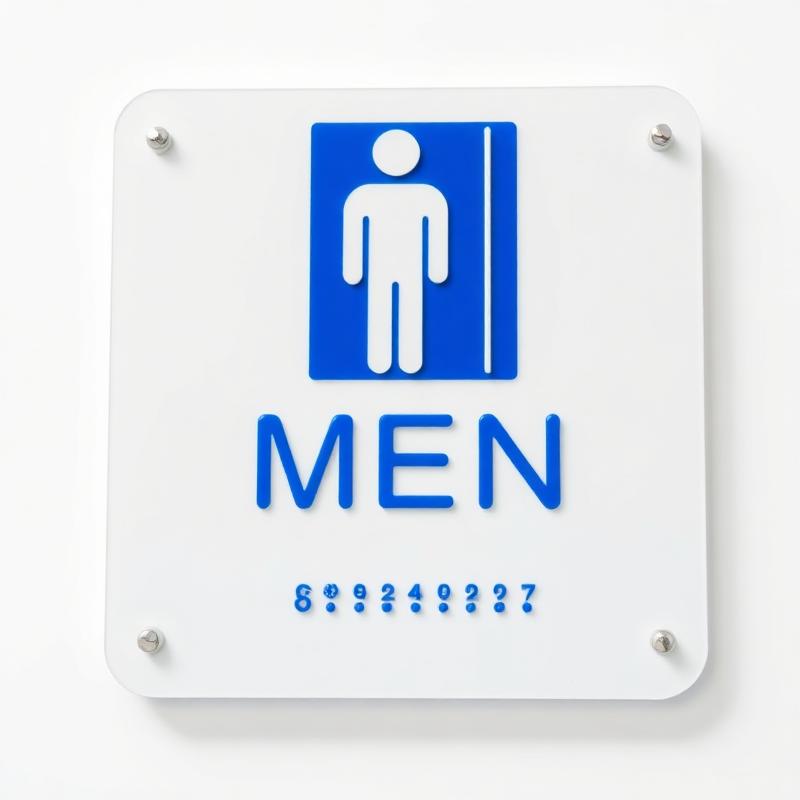
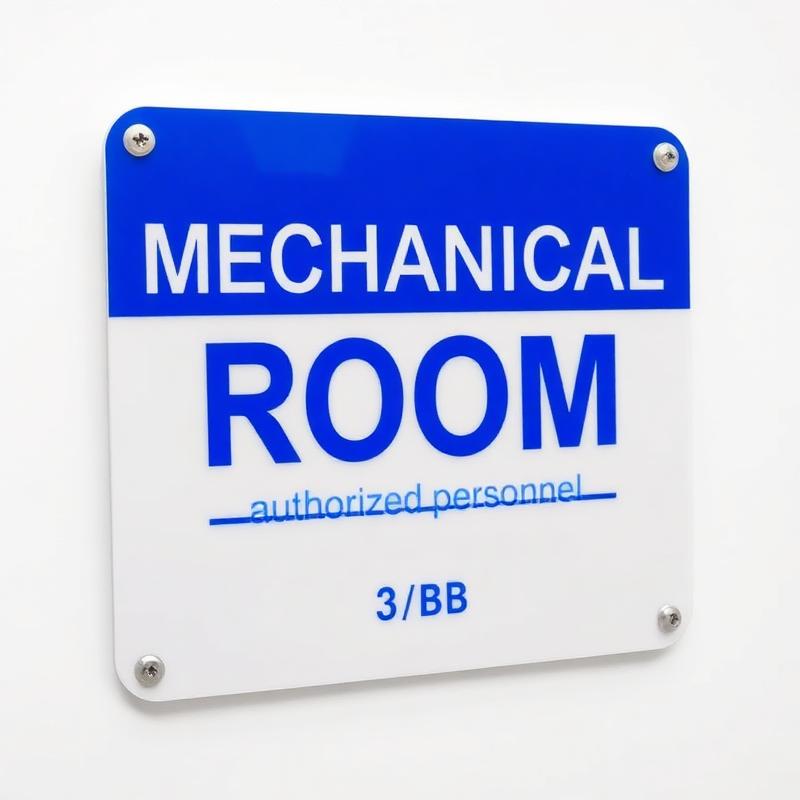
To meet these requirements, compliant signage typically includes:
Related Questions
Expert Verification
Compliance Information Verified
2026-01-30
CBC 2025 / ADA 2010
Effective January 1, 2026
California Building Standards Commission
Compliance Verification Notice
This information is provided for general reference purposes only. Local inspectors and authorities having jurisdiction (AHJ) have final authority over code interpretation and enforcement.
Before ordering signage, SpecCodes recommends:
- Contacting your local Building Department
- Reviewing current permit requirements for your project
- Confirming any local code amendments that may apply
Legal Notice: This content does not constitute legal advice. SpecCodes provides compliance information as a reference resource only. Users are responsible for verifying all requirements with their local jurisdiction before installation.