What materials are acceptable for ADA signs?
Quick Answer
ADA does not mandate specific materials, but signs must be durable, non-glare, and allow for raised characters of 1/32" minimum. Common materials include acrylic, photopolymer, thermoformed plastic, wood, and metal with applied tactile elements.
Content Verification
Sources:
Code Reference
ADA 703.5
ADA 2010 Standards Section 703.5
Detailed Explanation
Material selection affects durability, appearance, and compliance:
1. **No Specific Material Required**: ADA focuses on performance (raised height, contrast) not material.
2. **Common Materials**: - **Acrylic**: Most popular, allows subsurface graphics, durable - **Photopolymer**: Creates raised characters with UV-cured resin - **Thermoformed Plastic**: Affordable, vacuum-formed raised elements - **Wood**: With applied tactile characters, for aesthetic applications - **Metal**: Aluminum or bronze with applied or etched tactile elements
3. **Key Requirements**: Non-glare surface, 70% contrast, 1/32" raised characters.
4. **Durability**: Indoor vs outdoor applications require different material specifications.
Common Mistakes
- ×Glossy or reflective materials causing glare
- ×Materials that wear down and lose raised height
- ×Outdoor materials used indoors without proper finish
- ×Painted characters that can chip or peel
How to Verify Compliance
- ✓Check for non-glare matte or eggshell finish
- ✓Verify material is rated for intended environment
- ✓Confirm raised characters meet 1/32" minimum
- ✓Check manufacturer warranty for durability
Official Code Text
"Characters and their background shall have a non-glare finish."
How to Cite This Page
When referencing this information:
SpecCodes.com "What materials are acceptable for ADA signs?" - Verified 2026-01-30Compliant Products
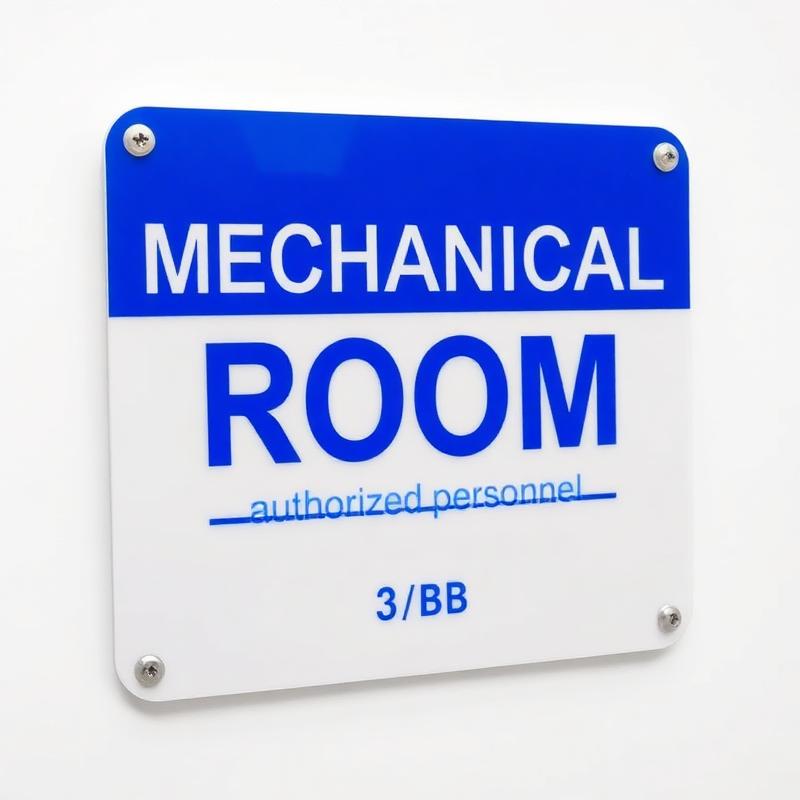
To meet these requirements, compliant signage typically includes:

Related Questions
Expert Verification
Compliance Information Verified
2026-01-30
CBC 2025 / ADA 2010
Effective January 1, 2026
California Building Standards Commission
Compliance Verification Notice
This information is provided for general reference purposes only. Local inspectors and authorities having jurisdiction (AHJ) have final authority over code interpretation and enforcement.
Before ordering signage, SpecCodes recommends:
- Contacting your local Building Department
- Reviewing current permit requirements for your project
- Confirming any local code amendments that may apply
Legal Notice: This content does not constitute legal advice. SpecCodes provides compliance information as a reference resource only. Users are responsible for verifying all requirements with their local jurisdiction before installation.