Photoluminescent vs. LED Exit Signs: When Each is Required
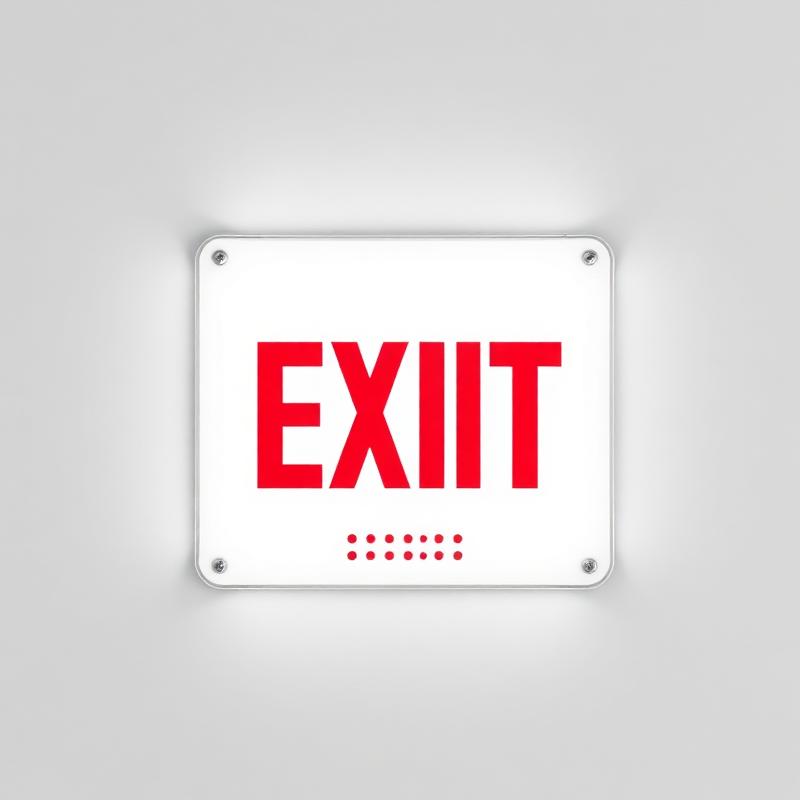
Photoluminescent exit signs are required in specific high-rise and high-hazard applications, while LED signs with battery backup satisfy most IBC/NFPA requirements. Some jurisdictions require both.
Content Verification
Sources:
Photoluminescent (Glow-in-Dark) Exit Signs per UL 924
Electrically Illuminated Exit Signs with Battery Backup
Side-by-Side Requirements
| Requirement | Photoluminescent | LED/Illuminated | Governs |
|---|---|---|---|
| LA High-Rise (75ft+) | Required per LAMC 91.1028.4 | Also required (both types needed) | Both Apply |
| Santa Clarita Commercial (3000+ sq ft) | Required per local amendment | Standard illuminated also required | Photoluminescent |
| Standard Commercial | Optional enhancement | Required per IBC 1013 | LED/Illuminated |
| Power Outage Visibility | 90+ minute glow without power | 90-minute battery backup | Both Apply |
| Maintenance | No batteries to replace, needs ambient light | Battery replacement every 3-5 years | Varies by Jurisdiction |
Which Code Applies in My State?
The governing code depends on your state's adoption status and local amendments. Generally:
- California: Photoluminescent typically governs as it's usually stricter
- Other states: Check your state's building code adoption and any local amendments
- Federal facilities: LED/Illuminated (federal ADA) always applies regardless of location
When Photoluminescent Applies
- Los Angeles buildings over 75 feet tall
- Santa Clarita commercial buildings over 3,000 sq ft
- High-rise buildings in jurisdictions adopting enhanced requirements
- Areas where extended power outages are expected
When LED/Illuminated Applies
- All commercial buildings per IBC 1013
- Standard means of egress identification
- Most jurisdictions nationwide
- Baseline requirement everywhere
Key Differences
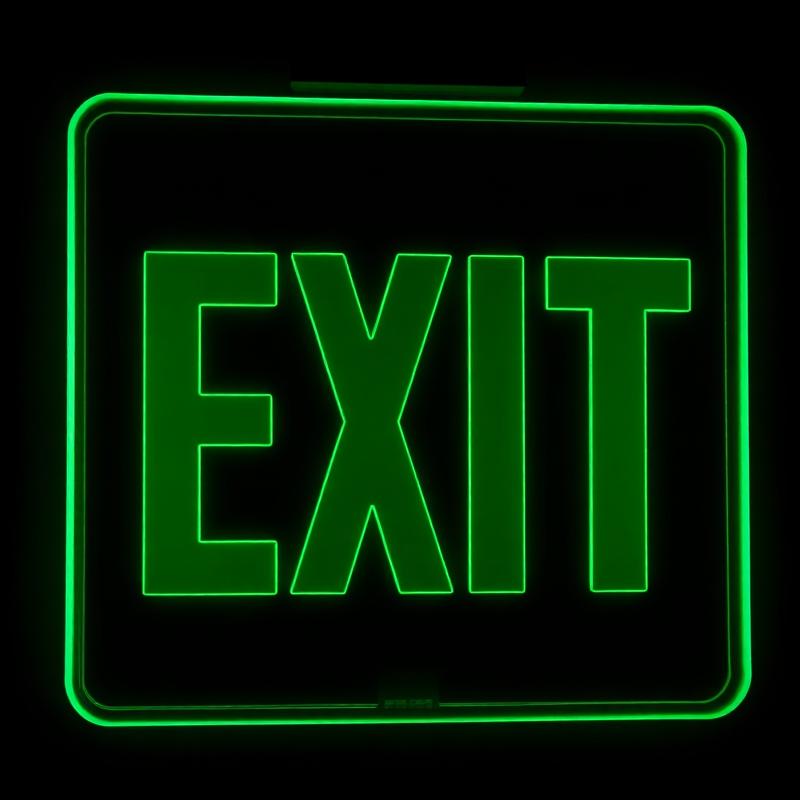
- •Photoluminescent signs glow without any power source
- •LED signs require electricity and battery backup
- •Photoluminescent needs ambient light to "charge"
- •LED signs are brighter in normal conditions
- •Some jurisdictions require BOTH types at the same location
For Architects & Specifiers
- In LA high-rises, specify BOTH photoluminescent and LED exit signs
- Photoluminescent signs must be in well-lit areas to charge properly
- Consider photoluminescent for added safety even when not required
- Verify UL 924 certification for all photoluminescent products
- Battery maintenance costs favor photoluminescent in long term
State-by-State Adoption
California
City-specific requirements
LA and Santa Clarita have specific mandates
Texas
IBC standard only
No additional photoluminescent mandates
Arizona
IBC standard only
Phoenix may have local amendments
Nevada
IBC + Clark County amendments
Some casino requirements
Recent Updates
Products That Meet Both Codes
Related Comparisons
Compliance Information Verified
2026-01-30
Multiple Codes
Effective 2026
SpecCodes Compliance Team
Compliance Verification Notice
This information is provided for general reference purposes only. Local inspectors and authorities having jurisdiction (AHJ) have final authority over code interpretation and enforcement.
Before ordering signage, SpecCodes recommends:
- Contacting your local Building Department
- Reviewing current permit requirements for your project
- Confirming any local code amendments that may apply
Legal Notice: This content does not constitute legal advice. SpecCodes provides compliance information as a reference resource only. Users are responsible for verifying all requirements with their local jurisdiction before installation.